Air Drill vs Electric Drill: Which is Right for You?
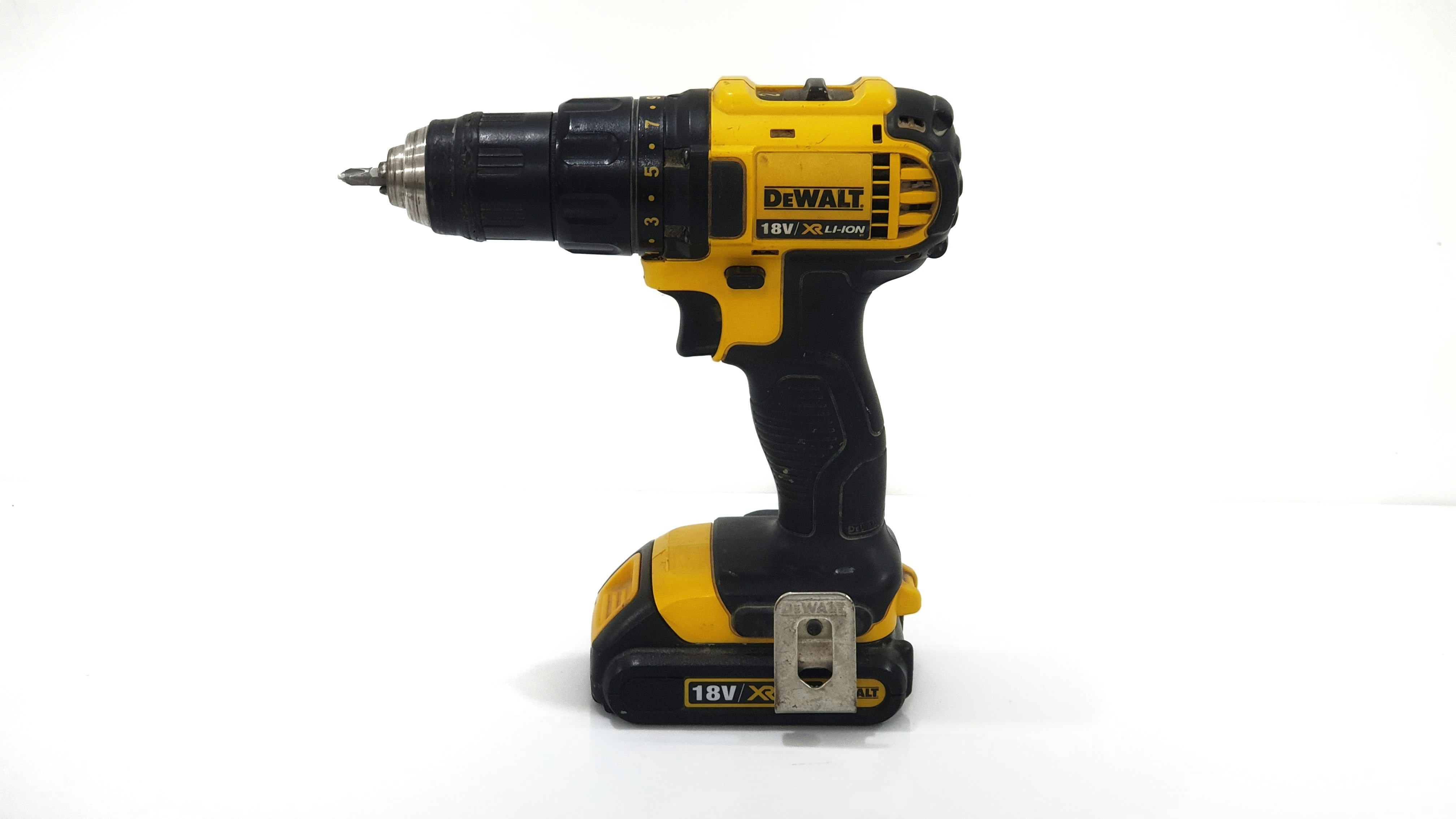
The debate has raged in workshops for decades: pneumatic (air) or electric? In 2025, the line has blurred slightly with the advancement of brushless battery technology, but the fundamental physics remain the same.
If you're equipping a new shop or looking to upgrade your drilling arsenal, understanding the distinct advantages of each platform is crucial. This isn't just about "cordless vs corded"—it's about choosing the right power source for your specific workflow.
The Tale of the Tape: Quick Comparison
| Feature | Air Drill (Pneumatic) | Electric Drill (Cordless/Corded) |
|---|---|---|
| Power Source | Compressed Air (Compressor req.) | Battery or AC Outlet |
| Weight | Very Light (2-3 lbs) | Heavier (4-6 lbs with battery) |
| Duty Cycle | 100% Continuous | Limited (Overheats) |
| Cost (Tool Only) | Low ($50 - $150) | Moderate ($80 - $200+) |
| Lifespan | Very Long (Simple mechanics) | Medium (Batteries die, electronics fail) |
Round 1: Power and Duty Cycle
Air Drills: The winner for production work. An air motor runs cooler the longer you use it because the expanding air absorbs heat. You can tape the trigger down and run it 24/7 without damage (assuming proper lubrication). They provide constant torque that doesn't fade.
Electric Drills: Modern brushless motors are powerful, but heat is the enemy. Under heavy, continuous load, batteries get hot and electronics can throttle power to protect the tool. They are burst-power champions but marathon losers.
Round 2: Ergonomics and Weight
Hold a 20V cordless drill overhead for 15 minutes and your shoulder will scream. The heavy battery pack and copper-wound motor add significant mass.
Air drills are essentially a hollow tube with a small turbine inside. They are incredibly light and compact. A typical 3/8" air drill fits into spaces no battery drill could dream of entering.
Round 3: Portability and Convenience
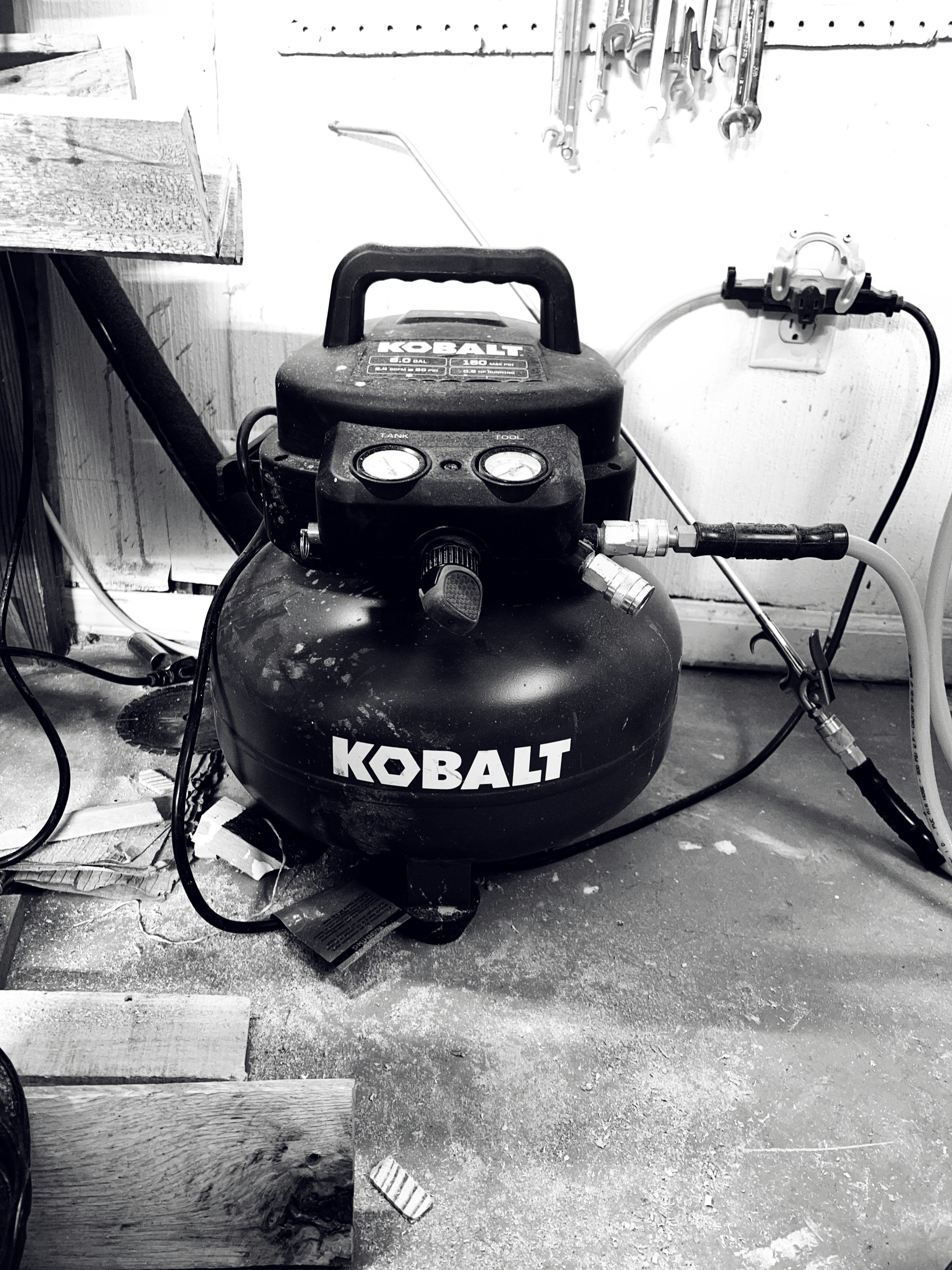
Here is the Achilles heel of pneumatic tools. You are tethered. That air hose is a trip hazard, it drags across painted surfaces, and it limits your range to the length of the hose.
Electric drills go anywhere. Up a ladder, on a roof, or in a field. No compressor noise, no hoses.
Round 4: Cost of Ownership
Initial Setup: Air is expensive upfront. You need a compressor ($300+), hoses, and fittings. However, once set up, the tools themselves are cheap. A pro-grade air drill might cost $100.
Long Term: Electric drills trap you in "battery ecosystems." Batteries die every 3-5 years and cost $80+ to replace. An air drill can last 20 years with $5 worth of O-rings.
Who Should Choose Air?
- Mechanics & Auto Body Shops: You already have air for impact guns. The compact size is vital for engine bays.
- Fabricators / Manufacturers: Production environments where tools run for hours daily.
- Woodworkers in Shops: Lightweight tools allow for better precision and less fatigue.
Who Should Choose Electric?
- General Contractors / Framers: Portability is king on a jobsite.
- Homeowners: If you drill one hole a month, a compressor isn't worth the noise or space.
- Maintenance Crews: Grab-and-go capability is essential.
FAQ
Do air drills have more torque?
Generally, no. High-end brushless electric drills usually offer higher peak torque. However, air drills offer better maintained torque at high RPM without overheating.
Are air drills louder?
Yes. The tool exhaust is loud, plus the compressor running in the background adds to the noise floor.
Can I control speed on an air drill?
Yes, most have variable speed triggers, though they are often less precise at very low speeds compared to electric triggers.
Do air drills work in the rain?
Yes! With no electric components to short out, air tools are safe to use in wet or damp environments (even underwater if specialized).
What is “free speed”?
Free speed is the RPM the drill spins at with zero load. Air drills often have very high free speeds (2000+ RPM) which is great for small diameter holes.
Further Reading
Ready to go pneumatic? Check out: