The Complete Guide to Air Drill Lubrication
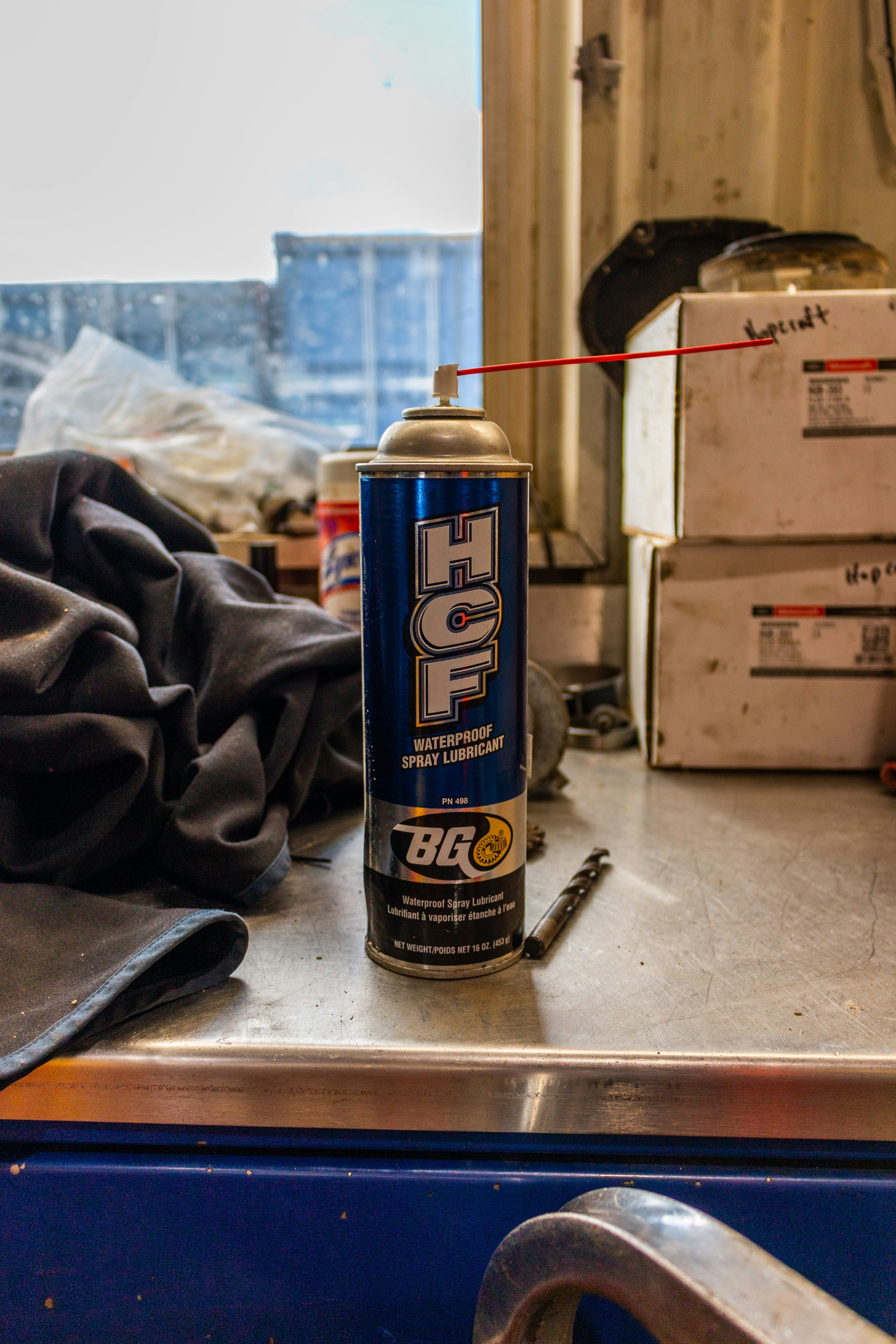
If an electric drill is a camel that rarely needs a drink, an air drill is a fish—it needs to swim in fluid. Specifically, oil.
90% of air tool failures we see in our shop are due to lack of lubrication or foreign debris. The sad part? It's 100% preventable. In this guide, we are going deep into the slippery science of keeping your pneumatics purring.
Why Air Drills Need Oil
Inside your drill is an "air motor" consisting of a rotor with sliding vanes (usually made of phenolic plastic or composite). As the rotor spins at 20,000 RPM, centrifugal force pushes these vanes out against the cylinder wall to create a seal.
Without oil:
- Friction melts the tips of the vanes.
- Heat expands metal parts until they seize.
- Corrosion from moisture in the air pits the smooth cylinder walls.
What Oil to Use (And What to Avoid)
NOT ALL OIL IS THE SAME. Using the wrong stuff can gum up the vanes or deteriorate O-rings.
✅ The Good Stuff
- Pneumatic Tool Oil: Usually mineral-based, ISO 32 weight, non-detergent. It contains rust inhibitors and emulsifiers to trap water.
- Synthetic Air Tool Oil: Lasts longer, works better in extreme temps, doesn't gum up. Worth the extra $3.
- Automatic Transmission Fluid (ATF): In a pinch only. Some old-school mechanics swear by it, but specialized tool oil is better formulated for moisture.
❌ The Tool Killers
- WD-40 (Standard): It is a solvent! It washes away grease and dries out seals.
- Motor Oil (10W-30): Too thick and contains detergents that foam up.
- Vegetable Oil: Will turn into a sticky varnish that glues your tool shut.
How to Oil Your Drill: The Protocols
Method A: The Daily Drop (Manual)
Best for DIYers or intermittent use.
- Disconnect air hose.
- Hold drill upside down.
- Put 2-3 drops of oil directly into the air inlet.
- Reconnect hose and run drill for 5 seconds while holding a rag over the exhaust (oil will spray out).
- Repeat every 2 hours of continuous use.
Method B: The Inline Oiler (Automatic)
Best for pros and stationary benches.
Install a lubricator unit in the air line, about 4-6 feet from the tool. It automatically drips a micro-mist of oil into the airstream.
Don't Forget the Gears!
The oil goes in the air motor. But the chuck is driven by planetary reduction gears in the head of the tool. These need grease, not oil.
Most pro drills have a small "Zerk" grease fitting on the head. Use a mini grease gun with air tool grease (lighter than wheel bearing grease). Give it one pump every month of daily use. Over-greasing causes drag and heating.
Reviving a Seized Tool
Did you find an old rusty drill? Before trashing it, try the "Red Magic" soak:
- Fill the air inlet with a mixture of 50% ATF and 50% Acetone (or Marvel Mystery Oil).
- Let sit for 24 hours.
- Connect to air and gently tap the housing with a rubber mallet while triggering.
- Often, the varnish breaks free and the tool runs like new!
FAQ: Lubrication
Does “Oil-Free” mean I don't oil it?
Some modern tools use Teflon-impregnated components and claim to be “maintenance free.” However, even these last significantly longer with a drop of oil occasionally.
Can I use compressor oil in my tool?
Usually yes, if it is non-detergent ISO 32. But check the bottle. Compressor pump oil is designed for heat resistance, tool oil is designed for moisture displacement.
Why is oil dripping from the exhaust?
You over-oiled it. Run the tool free for 30 seconds with a rag over the exhaust to clear the excess.
How much oil is too much?
Flooding the motor can cause a hydraulic lock or simply make a huge mess. 3-4 drops is plenty.
What about the chuck?
Keep the chuck jaws clean and dry, but spray a dry PTFE lubricant (like T-9 Boeshield) into the mechanism to prevent rust without attracting dirt.